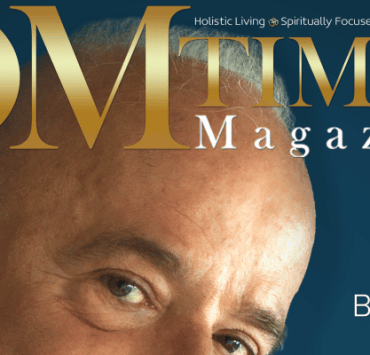

Paulo Coelho: The Pilgrim

Composing music with Raul Seixas led to Paulo being associated with magic and occultism, due to the content of some songs. In 1974, Coelho was arrested at that time for “subversive” activities by the ruling military government that had taken power ten years earlier and viewed his lyrics as left-wing and dangerous. In 1986, Coelho walked the 500-plus mile Road of Santiago de Compostela in northwestern Spain, and it became a turning point in his life.
On the path, Coelho had a spiritual awakening, which he described autobiographically in The Pilgrimage. In an interview, Paulo Coelho stated, “[In 1986], I was very happy in the things I was doing. I was doing something that gave me food and water – to use the metaphor in “The Alchemist”, I was working, I had a person whom I loved, I had money, but I was not fulfilling my dream. My dream was, and still is, to be a writer.” Paulo Coelho would leave his lucrative career as a songwriter and pursue writing full-time. Paulo Coelho is the recipient of numerous international awards, amongst them the Crystal Award by the World Economic Forum.
Interview with Paulo Coelho
Paulo Coelho was interviewed by Phil Cartwright on Jan 25, 2015 for Watkins Books UK. OMTimes is proud to share part of that interview. For more information, please visit: http://www.watkinsbooks.com (Reprinted with Permission)
Phil Cartwright: I would like to take you back to the days of your childhood in Brazil. How did you find your days studying in a Jesuit college?

Paulo Coelho: “When I was there, because my parents, not that they were strict Catholics but they thought that was good for their reputation that the lads should study in schools of the upper classes. Then they sent me to the Jesuit school, which I simply hated, because they forced me to believe in good and forced me to obey strict rules that were difficult to my soul.

The best way for you to deny God is when you are forced to accept Him, or Her. So when I left the Jesuit school I said, now I am free, I am a young adult, I do not need to believe in Jesus, so I am going to start traveling and try to find the meaning of life. Many years later, I had this epiphany, when I understood finally that it was very important my education with the Jesuits, because they gave me discipline, and the understanding of commitment and I learned a lot about theology, but I took me many years to understand that.”
Phil Cartwright: When did you get the first inkling that you wanted to be a writer?
Paulo Coelho: “Very early in my life, because I was there and had all those friends and they were good in football, they had nice cars etc…I was tiny, my parents did not have money for a car, and I said, ‘Oh my God, I am an outcast,’ so I started writing.”