


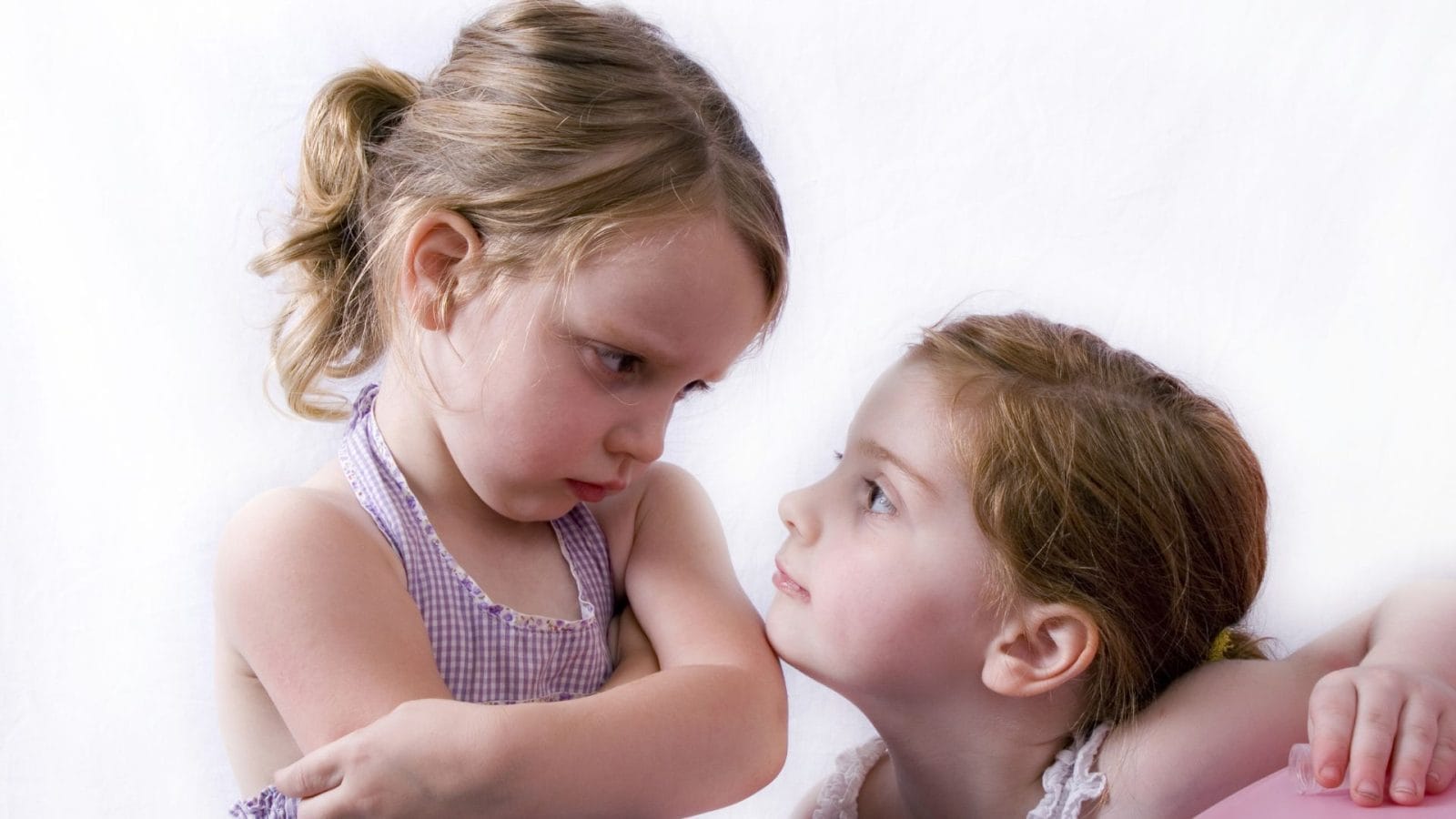
While many believe sibling conflict is a normal phase, the real reason for troubled sibling relationships often lies not in rivalry, but in the shared crucible of a chaotic, unloving, or unsafe childhood home.
The Real Reason for Troubled Sibling Relationships

When siblings are raised in environments characterized by conflict, chaos, rejection, or a lack of protection, it has a profound impact on how they relate to each other in adulthood. Over the years, I’ve seen a lot of patients whose siblings have behaved in strange or hostile ways toward them.
Real life is always different than theory. One way this notion is illustrated is in my psychotherapy practice. I’ve noticed several patterns that I’ve never encountered in any book. One such pattern I observe recurring with alarming frequency is that of deeply troubled sibling relationships.
If you think about the kind of person who comes for therapy, it puts things into perspective. My patients often come from backgrounds in which they witnessed or experienced neglect, abuse, manipulation, or deprivation.
Dysfunctional Families
The family unit was often highly dysfunctional, with one or both parents behaving in hurtful ways toward the other parent and/or the children.
Over the years, I’ve seen a lot of patients whose siblings have behaved in strange or hostile ways toward them. For example, I recall Betty*, whose sibling stole her inheritance. Then there was Darlene, whose sibling did everything possible to sabotage her career. And Joyce, whose sibling talked the man she liked into breaking off their relationship.
I remember Olivia, whose adult sibling was pathologically jealous of her and who competed with her for parental attention; Dinah, whose sibling contemptuously rejected her; and Noelle, who’d been threatened by her sibling and was afraid of them becoming violent with her.
Chaos and rejection create disconnections
Psychologically, it all makes sense. Children who share a chaotic, abusive, or neglectful home environment may form close attachments to one another. More often, they can develop an “every man for himself” coping strategy.
Experiencing or witnessing trauma can cause a child to shut down emotionally. This can distance them from the other children in the family. Instead of feeling connected to their siblings, they can become alienated from one another. I remember Lena, who had four siblings but was estranged from all of them.
Parents are supposed to model loving, caring relationships to their children, so if they’re mean to each other or hurtful or neglectful toward their kids, the children can adopt these ways of interacting.

The Withholding of attention and affection
There are many reasons for children growing up to become disconnected from their siblings. Dysfunctional parents often overtly favor one child over another, creating competition. Siblings are then set up to compete for parental attention. Equally, when parents are withholding nurturing, siblings often become rivals for the few crumbs of affection. These are what they’re hoping that their parents might dole out.
Children who grow up in dysfunctional families often feel hurt, rage, and frustration toward their parents. But most of the time, they’re too afraid to express these feelings directly toward Mom or Dad.
It’s a lot easier to take out their feelings on their siblings. This is because the stakes are a lot less high. So instead of bonding together out of a painful shared experience, they often end up venting their hurt and anger at each other.
Sometimes, one sibling wants to be close to the other, but the sibling rejects them. It can be out of jealousy. Siblings from troubled homes often mistakenly perceive that the other child got “more” of the love, attention, and care than they did. This certainly happened with my patient Estelle.
Damaged relationships between siblings impede nurturing
In the case of Greta, her parents forced her to be the surrogate mother for her two younger siblings. This created a lifelong tension between them as adults. Her siblings expected too much of her and also resented the power she’d had over them in her parental role. Even though it was never what she’d wanted. Many children who grow up in troubled homes hold on to the hope. They believe that maybe, one day, they’ll be able to get some love and positive attention. Some prefer to reject their siblings rather than risk alienating their parents’ affections. They fear missing out on the possibility of some belated, but better-late-than-ever love.
My patient Sasha’s sibling did this with her, but never got what they hoped for from their folks.
Sadly, these individuals would do better to connect with their sisters and brothers. The likelihood of hurtful parents turning around is slim. They rarely become capable of loving their adult children suddenly.
I’ve seen far too many of these troubled sibling relationships. The tragedy is that, having such a unique and powerful shared experience, siblings could potentially have a very close bond. They know exactly what the other person went through. They could be there to support each other going forward. Far too often, the opposite occurs.
If you have a troubled relationship with one or more of your siblings, perhaps these thoughts can put your own experience into perspective.
Note from the author:
*In order to protect the privacy of my patients, all the names and some identifying details have been changed in this post.


Click HERE to Connect with your Daily Horoscope on OMTimes!
Visit Our Astrology Store for Personalized Reports
About the Author
Marcia Sirota, MD, FRCP(C), is a board-certified psychiatrist who does not ascribe to any one theoretical school. Rather, she has integrated her education and life experiences into a unique approach to the practice of psychotherapy. She considers herself a realist with a healthy measure of optimism. Sign up here for her free monthly wellness newsletter. Listen here to her latest podcast. mariasirotamd.com

OMTimes is the premier Spiritually Conscious Magazine. Follow Us On Facebook, Twitter, Instagram, Linkedin, Pinterest, and Youtube


